
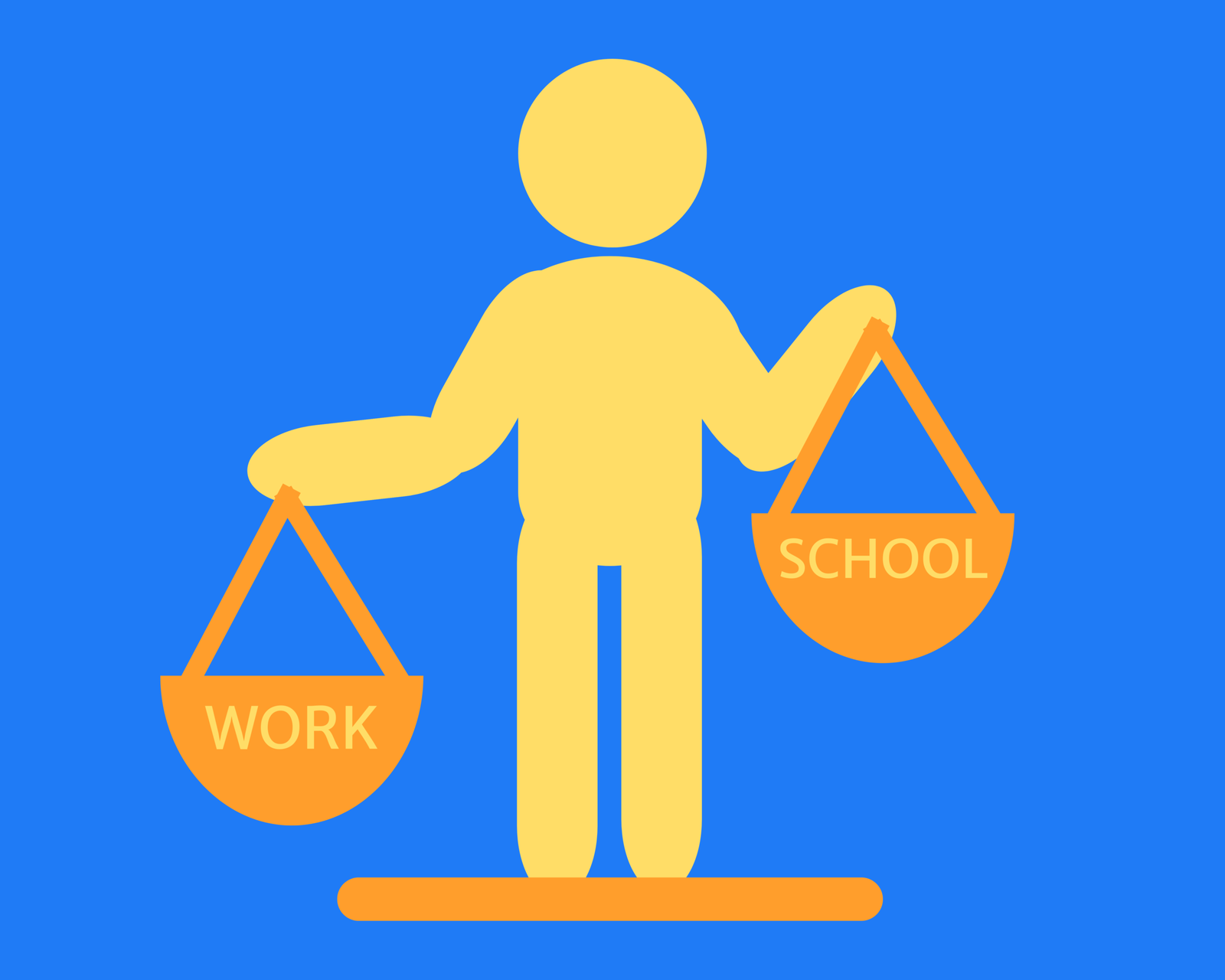
Working student challenges balancing work and school
The average college student has a similar routine of waking up, commuting to school, going to classes, hanging out with friends, or doing a recreational activity before doing schoolwork and going to bed. However, this routine is slightly different for a working college student; before or after school, they work at their jobs. Whether it be part-time, freelance, or even their own business, working students do dedicate a portion of their time to their jobs. In our research, we have discovered that balancing work and academics is one of the most common challenges working students face in their daily lives. They can’t manage their time properly, they may neglect their academics, or have no free time due to their busy schedule. There are many methods and solutions to get working students to be able to better balance their work and academics.
Time Management
Working students have more responsibilities than other students, having to juggle both their work and academics. There are working students who also have extracurricular activities like organizations, student government, or varsity sports. With so many things to balance, there are some working students who do not know how to manage their time and end up overwhelmed. Due to so many responsibilities, they may overlap and conflict, forcing working students to prioritize one over the other. Many time management methods and strategies can help working students manage their time. In terms of scheduling, as much as possible, working students should plan their class schedule around their work schedule or vice versa to ensure none overlap. If the academic load is too much, if possible, working students should take a lighter load of classes to better balance out their work and school.
Of course, working students can’t solve all their time management problems alone. Colleges can help by allowing working students to have more options when arranging their schedule, like night classes so working students can focus on work during the day, or earlier enrollment/priority enrollment to have more control over their class schedule. Online classes are also another option to allow working students to finish their studies while taking on more work
Poor Academic Performance
Due to work and other responsibilities, working students cannot always spend their time on their academics. There are working students who have poor academic performance, getting average to below average grades. This can happen for a multitude of reasons; in our research, we find that it's commonly because working students either neglect their academics or have a difficult time keeping up with their lessons and schoolwork. As most working students have a full academic load, combined with work, it can be challenging to be on top of both responsibilities.
To improve academic performance, working students have to set more time for themselves to study and catch up on the lesson materials. They can ask classmates, friends, or professors for help or self-study with online videos and articles related to the lesson. Underloading their classes can also relieve some academic pressure and workload. As a last resort, they can ask their professors for deadline extensions so that they can submit their work.
Zero Free Time
As their schedule can get busy, working students find that they do not have enough free time to themselves. When they aren’t in school, they are most likely at work or working, and in their spare time they need to work on their assignments and tend to other responsibilities, or rest after a busy day. With no free time, working students cannot indulge in their hobbies and interests, and they can rarely spend quality time with their family and friends.
Reducing work hours and lightening academic loads can easily free up time for working students; however, some may not have the luxury of doing so. Instead, they can try planning and setting times and dates for themselves and spending time with others.
Lack of Socialization
While most of the working college students we have interviewed and who have answered our survey have no issues with connecting and socialising with others, there are a few who struggle due to how busy they are with work and school. As working students have smaller amounts of free time compared to their peers, it’s more difficult for them to make time for friends and to form friendships. They can often feel isolated because of it. There is also a disconnect between working students and their peers, as other students may not understand the difficulties working students go through.Working students can try finding other working students, as their similarities may make it easier for them to get along with each other, as well as help each other out. They can also set a small portion of time a week to spend time with family and friends. Using online platforms is also a fast and easy way to find people with similar interests and situations.
Conclusion
It's difficult to be able to balance both academics and a job without neglecting one over the other, or neglecting other needs and responsibilities. But with proper planning, strategizing, and hard work, working students can begin to equally balance their academics and work, and even have time to spend for themselves. Working students should not have to choose to prioritize one over the other. Maintaining a balance between work and academics is challenging, but with the right steps, it can be manageable.